Safer Homes Through Wildfire Conscious Design
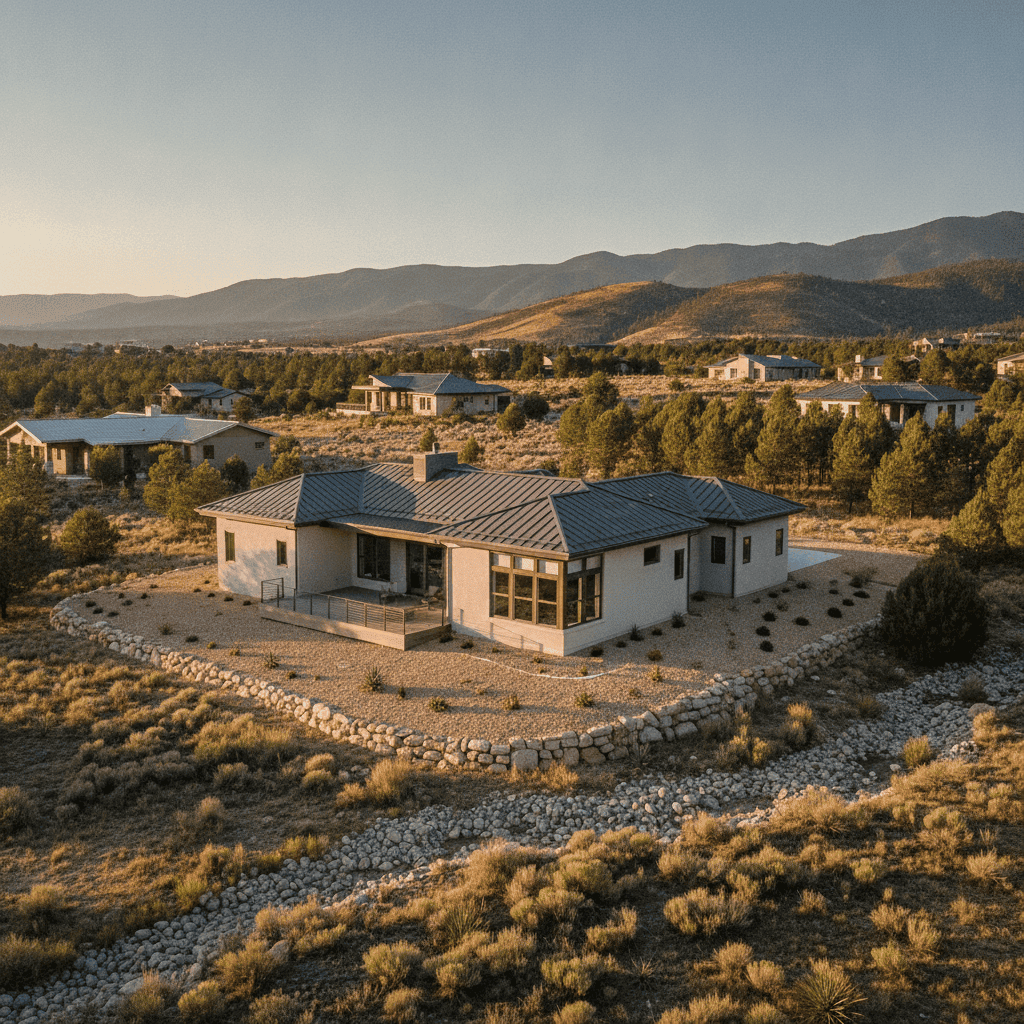
Wildfires have become a serious concern for many homeowners, especially in areas where urban spaces meet wildlands. We often see the devastating images on the news, and it is natural to feel helpless. But there is much we can do to protect our properties.
I believe that designing and maintaining our homes with wildfire awareness is no longer just an option. It is a necessity. This means thinking about every aspect of a property from the ground up to create a resilient space. We are not just building houses, we are building havens.
Today, I want to share insights on how we can achieve safer homes through wildfire conscious design. We can significantly reduce fire risk and protect what matters most to us with thoughtful planning and strategic material choices.
Understanding the Wildfire Threat to Our Homes
When wildfires ignite, they do not just burn through forests. They threaten communities and individual homes. It is important to grasp how these fires actually spread and ignite structures. Many people think homes catch fire from direct flame contact, but often it is flying embers that cause the most damage.
These tiny, glowing fragments can travel miles ahead of the main fire front. They land on roofs, enter vents, and accumulate in gutters or on decks. Once an ember finds a receptive fuel source, it can spark a new ignition. This is why our design strategies must address these vulnerabilities comprehensively.
We need to consider the Ignition Zone around a home, which extends up to 200 feet from the structure. Within this zone, every material and plant contributes to or reduces the overall fire risk. I have seen firsthand how a seemingly small detail like a pile of leaves in a gutter can become a critical ignition point. Understanding these mechanisms helps us make smarter design choices for protection.
Foundational Elements for Safer Homes Through Wildfire Conscious Design
The journey to a wildfire conscious home begins long before construction starts. It begins with careful planning and site assessment. I always emphasize considering the surrounding landscape and topography. Homes built on slopes or at the top of hills are more exposed to fire and radiant heat, so they need extra protection measures.
The first step is often to create a defensible space around your property. This involves managing vegetation and fuels in specific zones near your home. It creates a buffer that slows down or stops wildfire spread. We implement these zones to reduce the intensity of the fire as it approaches.
Beyond the immediate perimeter, we also look at the design elements of the house itself. This includes the roof, walls, windows, and vents. Each component plays a vital role in the home’s ability to withstand a wildfire event. It is a holistic approach, where every part works together for maximum safety.
Creating Defensible Space Around Your Property
Defensible space is a critical component of wildfire protection. It is generally divided into three zones. Zone 1 is the immediate area closest to your home, extending 0-5 feet. This zone needs to be kept absolutely free of anything combustible. I mean no plants, no mulch, and no firewood here.
Zone 2 stretches from 5 to 30 feet from the house. Here, we aim for lean, clean, and green landscaping. This means keeping grass short, removing dead plants and leaves, and spacing out shrubs and trees. Any trees in this zone should have their lower branches trimmed, keeping them clear of the ground and other vegetation.
Zone 3 extends from 30 to 100 feet or more, depending on your property and local regulations. This outer zone involves reducing fuel loads by removing smaller trees and shrubs, creating more open space. We want to interrupt the path of a potential fire, making it harder for flames to reach your home with intensity. Regular maintenance of all three zones is non-negotiable for sustained protection.
Building Materials that Resist Wildfire Damage
Choosing the right building materials is a cornerstone of wildfire conscious design. I always advise my clients to invest in non-combustible or ignition-resistant materials for critical parts of their home. The roof is perhaps the most vulnerable area because it can collect embers. We need materials that can withstand direct flame contact and radiant heat.
For walls, options like stucco, fiber cement, and concrete masonry are excellent choices. They offer a strong barrier against flames and heat. Wood siding can be treated for fire resistance, but these other materials offer inherent protection. The goal is to reduce the flammability of every exterior surface.
Decks and outdoor attachments also present a significant risk. Using composite decking or hardwood species that are naturally more dense and fire-resistant is a smart move. Furthermore, exploring fire resistant architecture concepts can provide a robust framework for building in high-risk areas. This means selecting materials and construction methods that actively reduce ignition potential.
Selecting Roof and Siding Materials
The roof is often the first point of contact for flying embers during a wildfire. So, selecting a Class A fire-rated roof material is paramount. I recommend materials like metal roofing, concrete or clay tiles, and fiber cement shingles. These options are highly effective at resisting ignition from embers and direct flames.
For siding, we consider the same principles. Materials like stucco or cement fiber siding offer superior fire resistance compared to traditional wood siding. If wood must be used, I ensure it is treated with fire retardants and regularly maintained to prevent deterioration. We want to create a tough shell that protects the inner structure of the house.
Even small details matter. Proper flashing and sealing around roof penetrations like skylights and chimneys are important. This prevents embers from entering the attic space, which is a common point of ignition. Every layer of the building envelope contributes to its overall wildfire resilience.
Designing Windows and Vents for Wildfire Protection
Windows and vents are often weak points in a home’s fire defense. Embers can enter through unprotected vents, and intense heat can cause glass to break, allowing flames inside. I recommend specific design choices to fortify these areas. Tempered glass is much more resistant to thermal shock than standard glass, so it is a good choice for windows in high-risk areas.
For vents, including attic and foundation vents, we must use fine mesh screens. These screens need to be 1/8 inch or smaller to prevent embers from passing through. Metal screens are better than plastic ones because they will not melt under heat. It is a simple but highly effective measure.
I also advise minimizing the number of windows on sides of the house facing the highest risk areas. If large windows are necessary, consider using shutters made of fire-resistant materials. These can be closed manually or automatically during a wildfire event to offer an extra layer of protection. This thoughtful layering helps safeguard the home.
Landscaping Strategies to Reduce Fire Risk
Effective landscaping extends beyond just defensible space. It involves creating a truly fire-smart environment around your home. I always tell people that the plants you choose and how you arrange them can either be fuel for a fire or a barrier against it. We aim for plants with high moisture content and low flammability.
Strategic placement of water features can also provide a small but significant buffer. Irrigating your plants regularly helps keep them green and less susceptible to ignition. We also focus on hardscaping elements like gravel pathways or patios. These materials do not burn and can help break up fuel continuity across the landscape.
Maintenance is key here. Even fire-resistant plants can become a fire hazard if they are dead or covered in dry leaves. Regular pruning, removal of dead material, and cleaning up leaf litter are all vital tasks. This ongoing effort creates a living fire break that protects your property.
Fire-Smart Plant Choices
When selecting plants for a wildfire conscious landscape, I focus on those with specific characteristics. Plants that are low growing, have high moisture content, and do not accumulate a lot of dead material are ideal. Deciduous trees, for example, often shed their leaves, which then need to be cleared, but their living structures can sometimes be better than highly flammable evergreens.
Here are some examples of plants that are often considered fire-smart:
- Succulents such as agave and aloe.
- Flowering plants like lavender, sedum, and certain varieties of salvia.
- Groundcovers such as clover or creeping thyme.
- Hardy shrubs like cotoneaster or currant.
Always research native plants in your region that exhibit fire-resistant qualities. These plants are often better adapted to local conditions and require less water. Choosing the right vegetation is a proactive step in protecting your home and family.
Maintenance and Ongoing Preparedness for Wildfire Safety
Building a wildfire conscious home is only half the battle. Ongoing maintenance and preparedness are just as important. I always emphasize that fire safety is not a one-time project. It is a continuous commitment that requires regular attention throughout the year. We need to stay vigilant to keep our homes safe.
This includes routine inspections of your roof, gutters, and vents to ensure they remain clear of debris. Clearing away pine needles, leaves, and any other combustible materials from these areas is a simple task that makes a big difference. I also recommend checking your defensible space zones regularly. Overgrown vegetation can quickly diminish the effectiveness of your fire breaks.
Beyond physical maintenance, having an emergency plan in place is crucial. This means knowing evacuation routes, having an emergency kit ready, and practicing what to do with your family. We need to be prepared for the possibility of a wildfire, even with the best design. Your family’s safety depends on both a resilient home and a clear plan.
Building a Future of Safer Homes Through Wildfire Conscious Design
Creating safer homes through wildfire conscious design is a complex yet achievable goal. It requires a mindful approach that considers every element of a property, from the materials we build with to the plants we choose for our gardens. I have seen how effective these strategies can be in protecting homes and communities from the devastating power of wildfires. It is about understanding the threat, planning strategically, and committing to ongoing vigilance.
We start with a robust defensible space, clearing away fuels that can ignite our homes. Then, we select building materials that resist flame and heat, forming a strong shield for our structures. We also pay close attention to vulnerabilities like windows and vents, fortifying them against ember intrusion. Thoughtful landscaping further enhances this protection, creating a living barrier around our properties. All these steps work together to make a significant difference in fire safety. This proactive stance ensures we are not just reacting to threats but building resilience from the start.
I encourage every homeowner, especially those in high-risk zones, to take these principles to heart. Consult with local fire safety experts and design professionals who understand wildfire dynamics. Your efforts today can mean the difference between loss and preservation tomorrow. Let us build a future where our homes stand strong and safe against the challenges of wildfire.

