Aging in Place Comfort Style and Safety Ideas at Home
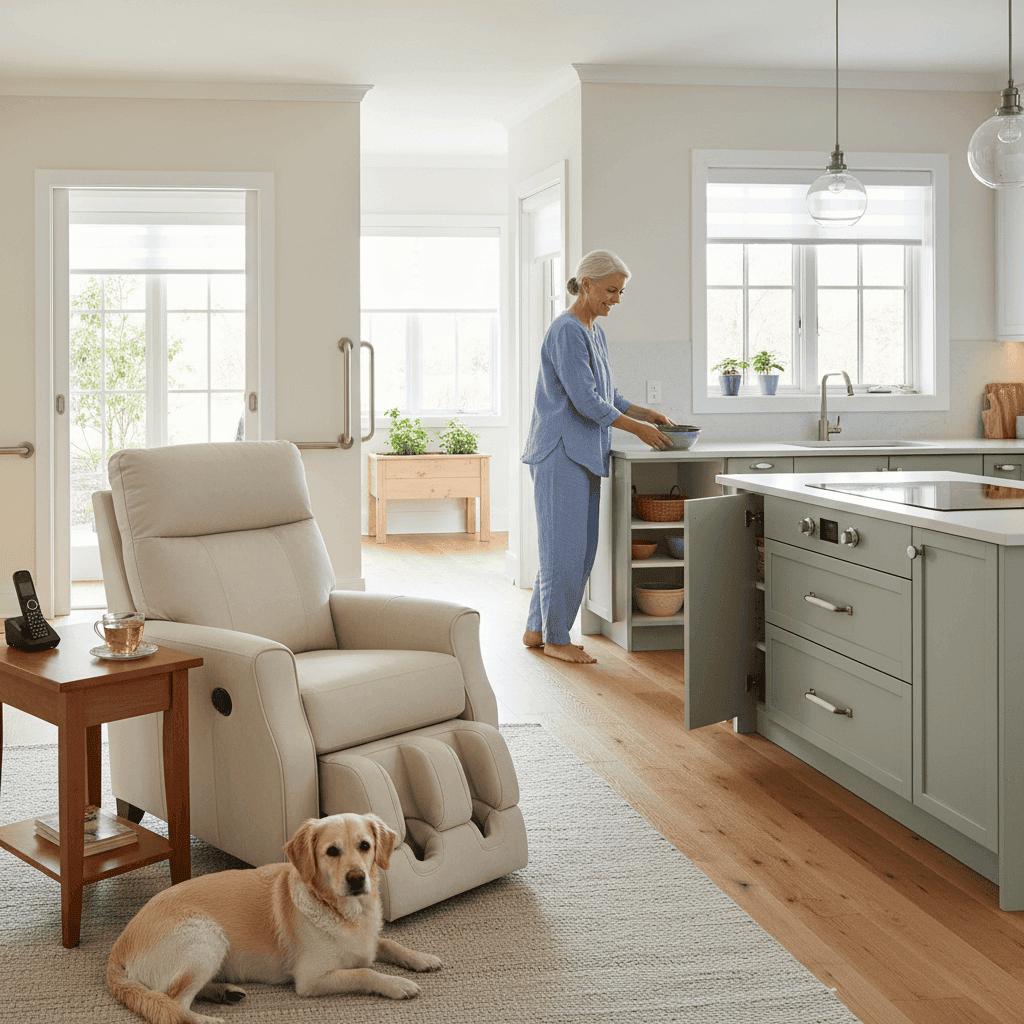
Planning for aging in place means looking at how a home is set up and how safe it feels at the same time. People often imagine cold hospitals or big, clunky handrails when they think about growing old at home. But smart decisions can make rooms feel cozy, nice, and secure, so living day to day stays easy and nice. Learning how to blend style with safety keeps the space inviting without feeling like a medical place. This helps anyone who wants comfort and freedom in their own home as time goes on. Keep reading to discover how small changes can make a big difference in feeling truly at home.
This article offers concrete ideas you can use right away to make a house easy to live in as needs change. You will find practical layout tips bathroom and kitchen upgrades lighting and flooring choices tech options and styling ideas that do not sacrifice design for safety. For additional inspiration and before and after examples check a trusted resource like Home World Design which highlights thoughtful solutions for real homes.
Design Principles that Support Comfort and Safety
Good aging in place home planning rests on a few simple principles that guide decisions across rooms. Start with accessibility for basic daily tasks sightlines that reduce trips and a layout that keeps frequently used spaces on one single level when possible. These ideas lower physical strain and make it easier to move around when mobility changes.
Keep circulation paths wide enough for a walker or wheelchair and reduce the number of steps needed to reach the kitchen bathroom and bedroom. Aim for clear sightlines from seating areas to entrances and to high traffic zones. When planning lighting and surfaces favor solutions that reduce glare and contrast that can trick the eye.
Indoor Layout Tips for Easy Movement and Independence
A thoughtful layout reduces friction in daily routines. That begins with the entry and continues through hallways to the main living spaces. Small alterations can have a big impact on movement and comfort.
Entry and Hallway Adjustments
- Install a no step entry or a gentle ramp so getting in and out of the house is simple.
- Use a lever style handle on the exterior and interior doors which is easier to operate.
- Keep hallways at least 36 inches wide and remove low furniture that obstructs the path.
- Place a bench near the door for putting on shoes and a low shelf for keys and essential items.
Bedroom and Living Area Placement
Consider moving the primary bedroom to the ground floor if stairs become a challenge. In the bedroom choose a bed height that allows getting in and out without strain and place a nightstand on both sides for balance when standing. In living areas arrange seating to create clear walking routes and keep frequently used items within arm reach.
Bathroom Upgrades that Combine Style and Safety
Bathrooms are high risk areas for slips and falls and they also lend themselves to design improvements that look intentional rather than medical. Focus on reducing steps and providing stable supports while using materials that feel modern and calm.
Shower and Bath Solutions
- Replace a tub with a curbless walk in shower to eliminate a transfer step. Choose a low threshold if a full curbless option is not possible.
- Use built in benches or fold down seats in showers to make bathing more comfortable.
- Choose textured tile or non slip treatment so floors shed water quickly and reduce slip risk.
Grab Bars and Fixtures that Blend In
Well placed grab bars make daily tasks safer. Instead of bright contrast metal bars that scream clinical choose bars with a finish that matches faucets and hardware. Place bars near the toilet and inside the shower at the height that suits the person using them. Consider a raised toilet seat or a toilet with a higher bowl for easier stands and sits.
Kitchen Ideas that Make Daily Tasks Simpler and Safer
The kitchen is often the most used room and design tweaks here can extend independence for years. Think about reach and control first and then add style touches that keep the space warm and inviting.
- Lower a section of countertop for seated food prep and include knee space for a chair or small stool.
- Install pull out shelves and drawers to reduce bending and reaching into deep cabinets.
- Choose front mounted controls on stoves and ovens and a cooktop with touch controls that are easy to read.
- Position microwave at waist height so lifting hot dishes from above is avoided.
Small details matter. Pull handles that are large enough to grip and contrasting finishes that make appliance controls easy to find help people work independently in the kitchen. Avoid deep narrow cabinets that force users to climb or crouch frequently. Light the work surfaces with under cabinet fixtures to aid visibility while cooking.
Lighting and Vision Strategies for Older Eyes
As eyes age they need more light and less glare. A layered lighting plan with ambient task and accent sources helps reduce falls and supports daily tasks from reading to preparing meals.
- Increase general lighting levels with higher lumen bulbs and distribute light across the ceiling to reduce sharp shadows.
- Add task lights in the kitchen over counters and near the sink and install adjustable fixtures in reading and hobby areas.
- Use warm color temperature bulbs in living areas to keep spaces comfortable and slightly cooler tones in work zones for clarity.
- Place low level nightlights along sleep paths from the bedroom to the bathroom to reduce disorientation when getting up at night.
Consider layered dimming so the same fixture can be bright for cooking and lower for relaxing. Avoid highly reflective finishes on surfaces that create spot glare. Lamps with adjustable heads are useful for people who read or sew and need focused beams.
Flooring and Surface Choices that Reduce Falls
Flooring is a major factor in household safety. Hard surfaces are easier to roll across but can be slippery when wet. Soft carpeting is comfortable but can catch wheels or cause tripping on thick edges.
- Select low pile rugs with non slip backing or secure them with adhesive strips and beveled edges.
- Choose flooring with a matte finish and textured surface to increase traction when dry or wet.
- Minimize thresholds between rooms and use gentle transitions that do not create a trip hazard.
- Keep pathways clear of clutter and use storage solutions to remove cords and loose items from the floor.
In bathrooms and kitchens consider heated floors which reduce the shock of cold tiles on bare feet and can make standing more comfortable. When replacing flooring think long term and pick materials that are durable and replaceable in high use zones.
Technology and Communication for Safety and Comfort
Technology can play a helpful role in monitoring safety and keeping people connected. Look for simple straightforward systems that match daily routines and that can be used without a steep learning curve.
- Medical alert systems with fall detection are a classic option for emergency calls. Many modern devices are small and water resistant.
- Video doorbells and intercoms allow visual confirmation when someone arrives which reduces risk when answering the door.
- Smart lighting that turns on along a path at night can be scheduled so motion sensors activate on demand. Use straightforward controls and clear labeling.
- Set up a simple routine for medication reminders using timers or basic apps that beep at set times. Keep the interface simple and consistent.
Limit the number of apps and devices to those that add actual daily value and that the household can maintain. Regular testing of batteries and monthly checks of systems keeps things dependable without hassle.
Styling Tips to Keep a Home Warm Welcoming and Personal
Many people fear that changes for safety will make a home feel institutional. Thoughtful styling keeps interiors warm personal and attractive while layering in safety features. Choose furniture with stable legs and firm cushions that make sitting and standing easier. Fabric choices in upholstery and rugs should be both low maintenance and pleasing to touch.
Use color contrast to your advantage. A subtle contrast between furniture and flooring helps depth perception without heavy patterns. Artwork and plants draw the eye and create a sense of home which is important for emotional well being. Keep favorite pieces within reach so cherished items remain part of daily life.
Storage is a key styling tool. Open shelving at reachable heights keeps items visible and reduces the need to access high cabinets. Baskets and trays can group items so counters remain tidy and useful. Lighting fixtures with a decorative look add personality while serving a practical purpose.
Planning for aging in place is an ongoing process not a single project. Start with the smallest changes that reduce daily strain and prioritize improvements that make the biggest difference in independence and comfort. Consult with trusted design and building professionals when making structural changes and try temporary solutions before committing to large renovations. Small upgrades like a better faucet handle a well placed nightlight or a lower shelf can be tested and rolled out across the home.
Conclusion
Keeping a home comfortable stylish and safe as needs change is entirely possible with clear priorities and small practical steps. Focus on movement sight and task support and make choices that fit personal taste so the house feels like home. Replace high risk surfaces with safer materials add targeted supports in the bathroom and kitchen and use lighting and storage to reduce strain while maintaining a warm aesthetic. Test solutions in daily life and refine them based on real use. If you would like professional ideas start by making a list of the tasks that feel hardest today and then choose one space to improve this season. Take photos of the area and sketch what a simpler route would look like then try a few low cost fixes before larger work. With careful planning the place you love can also be the place you live with confidence and comfort for many years. Take the next step and make one change this week to improve ease or safety in your home and note how it changes daily routines.

